When a sinkhole opened beneath the National Corvette Museum in Bowling Green in February 2014 and swallowed several cars, it made national news. For Kentuckians, it was a vivid reminder that much of the state sits on karst: limestone bedrock riddled with caves, springs and voids. Add more than a century of coal mining in the eastern and western coalfields, and Kentucky has two distinct ground-movement risks that many property owners do not realize their policies exclude. This article explains sinkhole insurance in Kentucky, mine subsidence coverage and where appraisal does and does not help.
Where the risk is
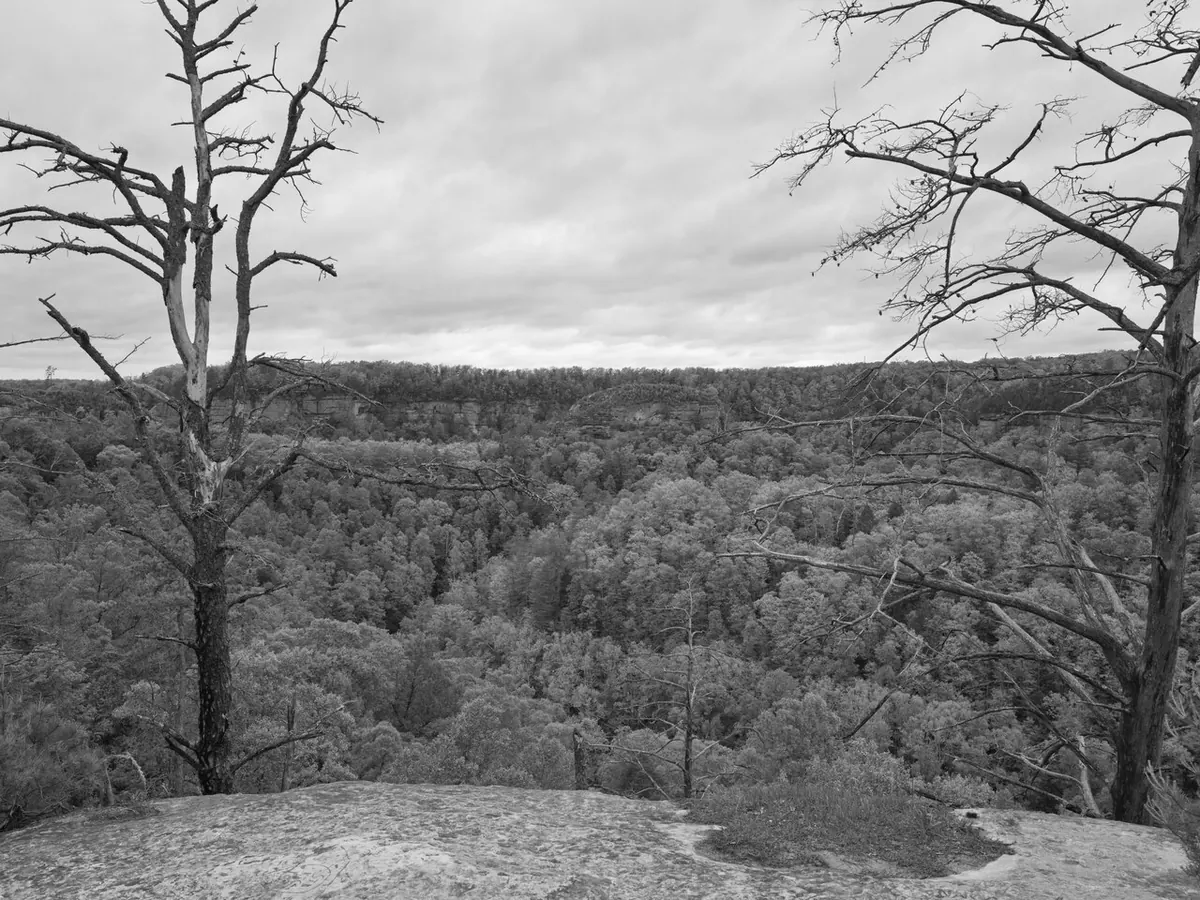
Karst is widespread in Kentucky. The Pennyroyal region around Bowling Green, Mammoth Cave and Elizabethtown is one of the best-known karst landscapes in the country, and the Inner Bluegrass around Lexington, Frankfort and Georgetown also has significant karst features. Sinkholes can form slowly, as soil washes into a void over years, or suddenly, when a cavity roof collapses after heavy rain or a water line leak.
Mine subsidence is a different hazard. Where coal was mined underground, the ground above can sag or collapse as old workings deteriorate, sometimes decades after mining ended. It is most associated with the eastern and western coalfields.
The earth movement exclusion
Most homeowners and commercial property policies contain an earth movement exclusion. Wording varies, but it commonly excludes damage caused by earthquake, landslide, mudslide, sinkhole, subsidence, and the sinking, rising, shifting or settling of the ground, whether natural or man-made. Many forms say this applies regardless of any other cause contributing to the loss.
Some policies carve back coverage for fire, explosion or glass breakage that results from earth movement. Some insurers offer sinkhole or earth movement endorsements for an added premium. Earthquake coverage is generally a separate endorsement. Read your declarations page and endorsements to see what you actually have.
Mine subsidence coverage
Kentucky has a state program, the Kentucky Mine Subsidence Insurance Fund, that provides coverage for mine subsidence damage to structures in eligible counties, typically offered through the homeowners or property policy. Whether it is included automatically, offered as an option or available at all depends on where the property is located and how the program and your insurer handle it. Limits and definitions are set by the program and may differ from your main policy. If you own property in a coal county, ask your agent in writing whether mine subsidence coverage is on your policy and what its limit is.
Importantly, mine subsidence coverage is not sinkhole coverage. Collapse of natural karst voids is a separate risk, and the mine subsidence program generally does not respond to it.
Gray areas that come up
Ground-movement claims often involve disputes about cause rather than price:
- Water leaks. A broken water or sewer line can wash out soil and cause settlement. Some policies cover sudden water damage while excluding the resulting earth movement, and how the two interact is a coverage question.
- Collapse coverage. Many policies include limited coverage for abrupt collapse caused by specified perils, which may or may not apply.
- Long-term settling. Gradual cracking in foundations and drywall is often treated as wear or settling and excluded.
- Engineering reports. Insurers frequently hire an engineer to determine cause. A competing engineering opinion may be needed.
These are causation and coverage disputes. If your claim is denied under an earth movement exclusion, talk to a Kentucky attorney. You can also file a complaint with the Kentucky Department of Insurance if you believe the claim was mishandled.
When appraisal applies and when it doesn’t
Appraisal decides the amount of loss. It is useful in ground-movement claims once coverage is accepted, for example when:
- A mine subsidence claim is accepted but the repair cost for foundation work, wall stabilization and finishes is disputed.
- A sinkhole endorsement applies and the parties disagree on the scope of repair.
- A covered water leak caused interior damage and only the pricing is in dispute.
Appraisal generally cannot overturn an earth movement exclusion or decide whether a loss was caused by subsidence rather than a covered peril. Under the mine subsidence program, check the policy or program documents to see what dispute process applies.
Buying or reviewing a policy in karst or coal country
If you are buying property in the karst belt or a coal county, review coverage before closing rather than after a problem appears. A property inspection may note sinkholes, depressions or past foundation repairs, and an agent can tell you whether a sinkhole or earth movement endorsement is available and what it costs. Owners who cannot find coverage in the regular market may turn to the Kentucky FAIR Plan, which has its own forms and limits worth reading closely.
Practical steps
- Photograph and measure cracks, gaps and sloping floors, and date each image.
- Mark crack ends with a pencil and date them to show whether they grow.
- Look for and repair water leaks promptly, and keep plumber reports.
- Request your full policy and the mine subsidence and sinkhole details.
- Get a structural engineer’s opinion if the insurer relies on one.
Owners in the karst belt can learn more on our Bowling Green and Lexington pages, and our home insurance appraisal page explains when we can help. We are independent appraisers, not attorneys or public adjusters. If you are unsure whether your ground-movement claim is a pricing dispute, contact us.