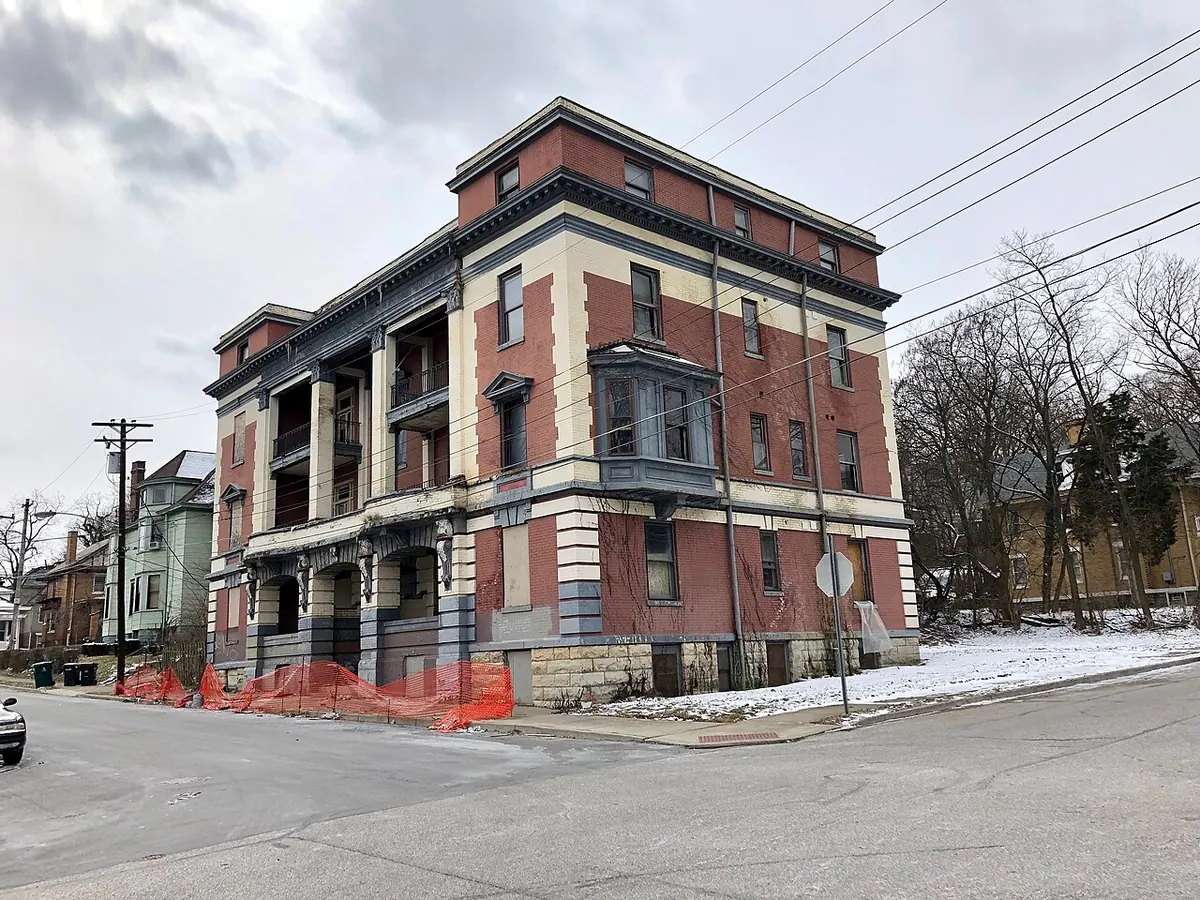
Why commercial claims stall
A tornado track across an industrial park in Hardin County, hail across a strip center in Lexington, or a wind event that peels membrane off a Northern Kentucky warehouse can create claims with thousands of line items. Commercial estimates hinge on roof system specifications, code upgrades, multiple trades, equipment and long repair schedules. Small differences in unit price or quantity become large dollar gaps when multiplied across a flat roof of many squares or a multi-building apartment complex.
Commercial disputes also tend to involve more people. A property manager, an owner, a lender, tenants and sometimes a general contractor all have a stake in the outcome. We keep one clear estimate at the center of the file so everyone is looking at the same numbers, and we explain our reasoning in writing so it can be shared with the people who need to approve decisions.
Property types we handle
- Retail and office: storefronts, shopping centers, medical offices and mixed-use buildings.
- Warehouses and light industrial: metal buildings, low-slope roofs, overhead doors and insulated panels.
- Churches and nonprofits: sanctuaries, steeples, fellowship halls and stained or specialty glass.
- Apartment communities: multi-building complexes where damage varies from building to building.
- Condominium and homeowners associations: master-policy claims covering roofs, siding, common areas and structures.
Associations and board decisions
For an HOA or condo association, appraisal is usually a board decision. Boards want to know three things: is the gap large enough to justify the process, what will it cost the association, and how long will it take. We help answer those questions with a written comparison of the carrier’s estimate against our own scope before the board votes. Individual unit owners with interior losses under their own HO-6 policies are better served by our homeowners insurance appraisal page.
Commercial policy details that shape appraisal
Commercial forms frequently carry coinsurance provisions, percentage or per-building deductibles, ordinance-or-law coverage and business income coverage. Appraisal can usually address the dollar value of covered items, but questions about whether coinsurance applies or whether a particular coverage part is triggered are coverage matters. We stay in our lane and point those to your broker or a Kentucky attorney. If your policy uses a percentage wind or hail deductible, our percentage deductible calculator shows how much of the award you would actually see.
How a commercial appraisal runs with us
- We review the policy, the carrier’s estimate and any engineering or consultant reports.
- We inspect each affected building and roof area and measure independently.
- We prepare an itemized estimate that can be compared line by line with the carrier’s.
- We negotiate with the insurer’s appraiser and, if needed, present to the umpire.
- We review the final award with ownership or the board before signing.
Each side typically pays its own appraiser and shares umpire costs, so check the policy and budget for that. Questions about the process are covered on our appraisal questions page.
Questions about commercial & hoa appraisal
Can an HOA board invoke appraisal without a vote of all owners?
That depends on the association’s governing documents. Many boards have authority to manage master-policy claims, but check your bylaws and consider legal advice if unsure.
Does appraisal cover business income losses?
It can address the amount of a covered business income loss under many policies, but whether the coverage applies is a separate question that appraisal does not decide.
Do you handle multi-building claims?
Yes. We inspect and estimate building by building, which helps avoid averaging damage across a complex when it differs from roof to roof.