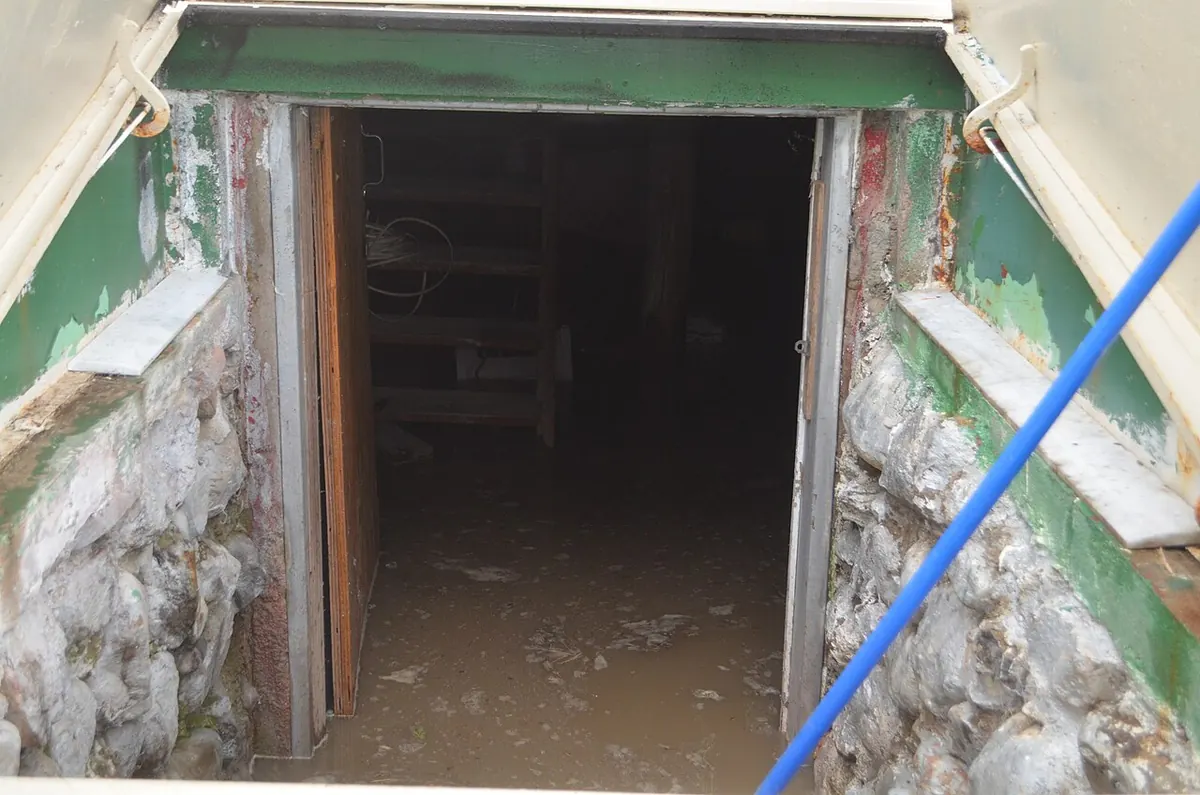
Sudden water versus flood water
This distinction matters more than anything else on a Kentucky water claim. Homeowners policies commonly cover sudden and accidental discharge from plumbing, heating, air conditioning and household appliances. They generally exclude flood and surface water, meaning water that rises from outside, such as creek and river flooding or flash flood runoff. Flood losses are typically handled through a separate flood policy, most often from the National Flood Insurance Program.
Kentucky knows flooding well, from the 1937 Ohio River flood to the July 2022 floods in the eastern mountains. If your loss came from rising water, your homeowners policy is unlikely to be the right place for it, and appraisal under that policy won’t change the exclusion. Our flood versus water damage article goes into the difference in more detail.
What appraisal can and cannot reach
Appraisal decides the amount of a covered loss. If your insurer has accepted a burst-pipe claim but wrote an estimate that replaces two feet of drywall when moisture readings show four, that is an amount dispute. If the insurer says the leak was long-term seepage and denies coverage, that is a coverage dispute, which appraisal does not resolve. Coverage questions belong with a Kentucky attorney.
Common water claim gaps
- Tear-out limited to visible stains while wet insulation and framing remain behind walls.
- Flooring priced as a patch when the material can’t be matched or runs continuously through several rooms.
- Cabinets treated as dry when the toe-kicks and backs wicked water.
- Drying and mitigation invoices cut without explanation.
- Mold remediation limited by a policy sublimit, which appraisal can’t increase.
- Contents in finished basements undervalued or overlooked.
Category of water also matters. Clean water from a supply line is handled differently than gray water from a washing machine or dishwasher, and very differently than sewage. The category affects whether materials can be dried in place or must be removed, which in turn drives the size of the estimate. If your policy carries a separate sewer or drain backup endorsement, that limit applies on its own terms, and appraisal works within it.
Documentation that wins water disputes
Water damage hides. The strongest files include moisture readings with locations, the mitigation company’s drying logs, photos taken before tear-out, the failed part itself (keep that braided supply line or cracked fitting) and a clear timeline. We inspect with moisture meters and thermal imaging where useful, and we build an estimate tied to what the readings actually show.
Starting a water damage appraisal
Timing matters on water losses. Prompt mitigation limits damage and is usually required by the policy, so keep invoices and drying records even if the carrier questions them. Those records become key evidence in appraisal.
Send us your policy, the insurer’s estimate, the mitigation invoice and your photos. We’ll tell you whether the dispute is an amount question appraisal can reach, and whether the gap justifies the cost. Not sure you’re ready? Try the appraisal readiness checkup first.
Questions about water damage appraisal
Will appraisal help if my basement flooded from heavy rain?
Usually not under a homeowners policy, because surface water and flooding are generally excluded. Flood losses are typically handled under a separate flood policy, such as one through the NFIP.
Can appraisal increase my mold sublimit?
No. Appraisal sets the amount of loss but cannot change policy limits or sublimits written into your coverage.
What if the insurer says the leak was long-term?
That is a coverage or causation dispute rather than an amount dispute. Appraisal may not resolve it, and a Kentucky attorney can advise on your options.