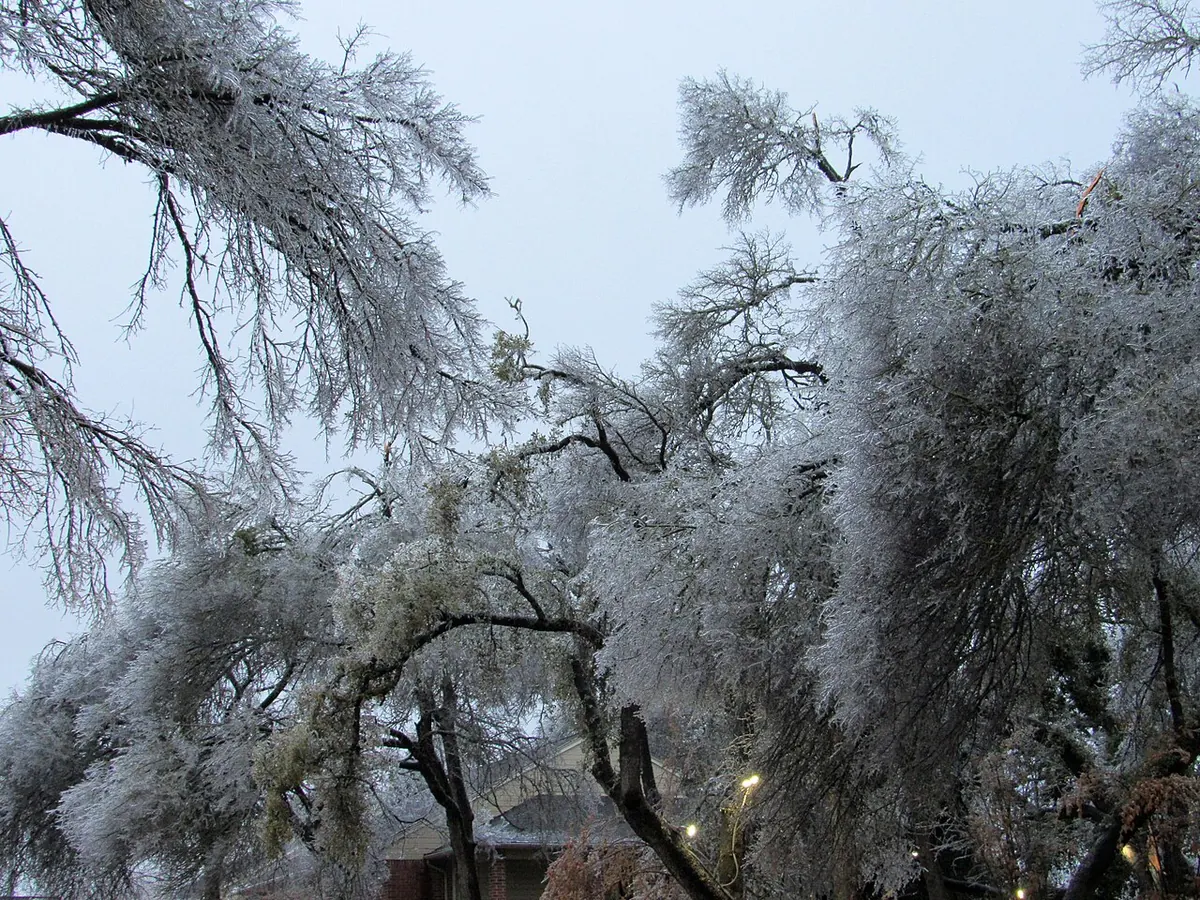
Kentucky owners who lived through the February 2003 ice storm in Lexington or the January 2009 ice storm that blanketed much of western and central Kentucky remember the sound of limbs cracking all night. Ice storms and the hard freezes that follow them produce a distinctive mix of claims: trees on roofs, fences and cars; ice dams that push water under shingles; and frozen pipes that burst days later when the power comes back. Each of these has policy conditions that can trip up an otherwise valid ice storm insurance claim in Kentucky. Here is what to document.
Trees and debris
Most homeowners policies treat tree damage in layers. Damage a falling tree does to a covered structure, such as the house, a detached garage or a fence, is usually covered under the dwelling or other structures coverage. Removing the tree from that structure is usually part of the claim. Removing trees that fell in the yard without hitting anything is often limited or excluded, and many policies cap debris removal at a modest dollar amount per tree and per loss.
To support the claim:
- Photograph each tree where it fell before cutting, showing what it struck.
- Note which trees blocked a driveway or a ramp needed for a disabled household member, since some policies treat those differently.
- Keep invoices from tree services showing which trees were removed and what each cost.
- Save photos of the stump and break point; they help show ice loading rather than rot.
Our tree removal coverage calculator can help you sort covered and uncovered removal costs before you talk with the adjuster.
Ice dams and roof leaks
Ice dams form when heat escaping through the attic melts snow on the upper roof and the water refreezes at the colder eaves. The trapped water backs up under shingles and into ceilings and walls. Many policies cover the resulting interior water damage while excluding the cost of removing the ice itself or repairing the gutters it pulled loose, though wording varies.
Document the dam from the ground with dated photos, then photograph every interior stain as it appears. Note whether the roof had ice and water shield at the eaves; if it did not and local code requires it, ordinance or law coverage may matter when the roof is repaired.
Frozen and burst pipes
Burst pipes are among the most expensive winter claims, partly because water runs unseen inside walls. They are also where policy conditions bite hardest. Many homeowners policies exclude freeze damage to plumbing if the house was vacant or unoccupied unless you either maintained heat or shut off the water and drained the system. Vacancy clauses commonly reduce or eliminate coverage after a home has been vacant for a set period that the policy defines.
What to record
- The thermostat setting and any smart-thermostat history showing the heat was on.
- Utility bills that show gas or electric use during the cold spell.
- Power outage notices from your utility, which can explain a loss of heat beyond your control.
- When you discovered the leak, when you shut off the water and who you called.
- Photos and moisture readings from the mitigation company, plus their drying logs.
If the home was a rental between tenants or a family member’s house after a death, check the vacancy and occupancy language immediately and tell your agent what happened.
Power outages and food spoilage
Long outages after ice storms raise smaller questions, such as spoiled food, a failed sump pump and a generator purchase. Food spoilage coverage is often limited and may depend on whether the outage originated on your premises. Sump pump overflow is typically excluded unless you bought a water backup endorsement. Generators are usually not covered as a loss, though some owners claim them as mitigation; your adjuster will decide that under your policy.
Where appraisal fits
Ice and freeze claims often settle on coverage quickly but stall on price. Typical disputes include:
- How much drywall, insulation and flooring had to come out after a burst pipe.
- Whether mold remediation was part of the water loss or a separate, limited item.
- Roof repair versus replacement after limbs punctured a slope.
- Matching flooring or cabinets across rooms when only part was damaged.
- Tree removal costs when crews charged storm-surge rates.
Those are amount-of-loss questions that appraisal is built for. A vacancy exclusion or a dispute over whether heat was maintained is a coverage question and generally is not. Our ice storm and freeze appraisal page explains how we handle these claims, and the water damage appraisal page covers interior losses in more detail.
A short checklist
- Make the property safe and stop the water.
- Photograph and video everything before cleanup, with dates.
- Report the claim promptly and write down the claim number.
- Keep every receipt: tarps, tree crews, hotel nights, drying equipment.
- Save samples of damaged materials if matching may be an issue.
- Request a copy of your full policy and read the freeze, vacancy and debris sections.
- Compare the insurer’s estimate line by line with a contractor bid.
If the numbers still do not line up, contact us for an independent look. We are appraisers, not attorneys, so we will point you to a Kentucky lawyer if the dispute is really about coverage.