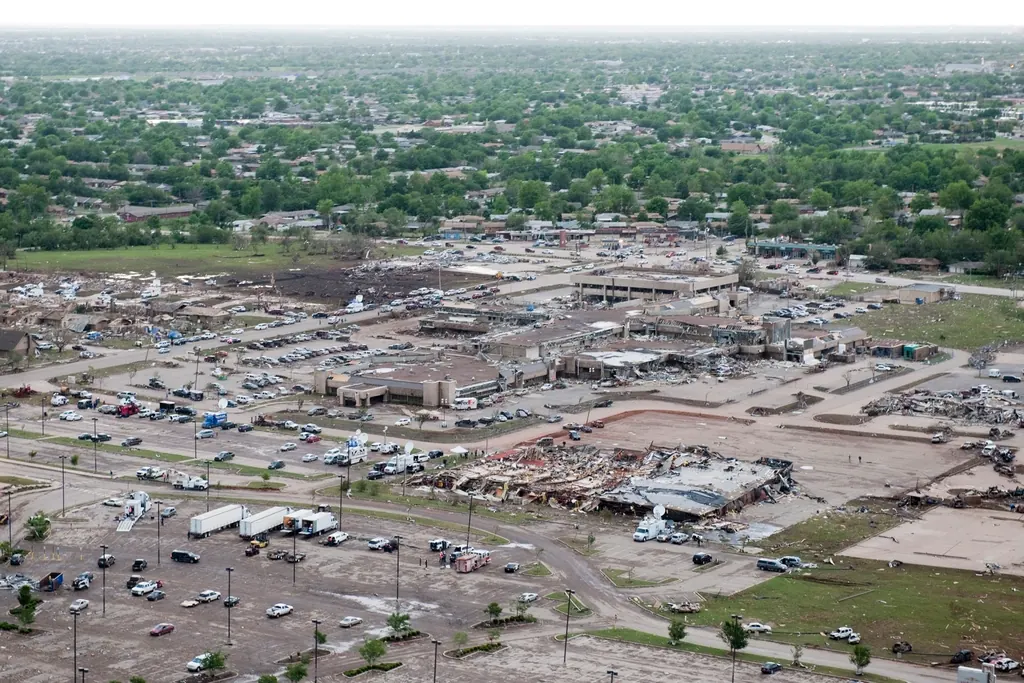
The December 10–11, 2021 tornadoes that tore through Mayfield, Dawson Springs, Bowling Green and many smaller western Kentucky communities reminded the whole state how fast a home or business can be reduced to a slab. Kentucky also remembers the April 3, 1974 Super Outbreak. When the immediate danger passes, owners face a long insurance process while still finding a place to sleep. This tornado insurance claim checklist focuses on the first 30 days, when the decisions you make shape everything that follows.
Days 1–3: safety, notice and protection
- Stay safe. Do not enter a structure that officials have not cleared. Downed lines and gas leaks are common.
- Report the claim. Call your agent or insurer, write down the claim number and the adjuster’s name, and ask what they need first.
- Photograph before you move anything. Wide shots of each side of the building, then close-ups of each damaged area, then each room. Video with narration helps.
- Protect what is left. Tarp roofs, board windows and move salvageable contents to a dry place. Most policies require reasonable mitigation, and the cost of it is commonly part of the claim.
- Keep every receipt. Tarps, plywood, generator fuel, storage units, meals and hotel nights.
Days 3–10: living expenses and the first adjuster visit
If the home is unlivable, additional living expenses (often called Coverage D or loss of use) generally pay the increased cost of living elsewhere: rent, hotel bills, extra mileage and similar costs above what you normally spend. Ask the adjuster for an advance and how the insurer wants expenses submitted. Track them in a simple spreadsheet with receipts attached.
When the adjuster inspects, walk the property with them, point out every damaged element and ask for a copy of their photos and estimate when it is written. In a large regional event the first adjuster may be a temporary catastrophe adjuster from out of state, and the first estimate is often incomplete. That is normal and can be corrected.
Days 10–20: contents inventory
For a destroyed home, the contents inventory is usually the most time-consuming part of the claim. Start early and work room by room.
- Use photos and videos from phones and social media to rebuild what each room held.
- For each item, list a description, brand or model if known, quantity, approximate age and current replacement price.
- Pull purchase history from online retailers and credit card statements for larger items.
- Note items with special limits, such as jewelry, firearms, collectibles and business property kept at home.
Most policies pay contents at actual cash value first and the remainder after you replace the items if you have replacement cost coverage. Our RCV, ACV and holdback calculator shows how that split typically works.
Days 15–30: contractors and contracts
Storm chasers arrive quickly after a Kentucky tornado. Many are legitimate; some are not. Before you sign anything:
- Get at least two written bids that describe the scope in line items, not just a lump sum.
- Verify the contractor’s local presence, references and insurance.
- Read any “assignment of benefits” or “direction to pay” language carefully. Signing it can transfer control of part of your claim.
- Avoid large up-front deposits, and never sign a contract that lets the contractor negotiate your claim on your behalf unless you understand exactly what you are giving up.
- Keep the mortgage company informed, because claim checks are often payable to both you and the lender.
Common tornado claim disputes
Total losses can still produce disagreements. Partial losses produce many. Typical friction points include:
| Issue | What gets disputed |
|---|---|
| Foundation | Whether a slab or block foundation can be reused or must be replaced |
| Code upgrades | Costs to meet current code, usually under a separate ordinance or law limit |
| Pricing | Labor and material costs inflated by regional demand after the storm |
| Overhead and profit | Whether a general contractor is reasonably needed |
| Contents | Replacement prices and depreciation rates |
These are amount-of-loss questions, which is what appraisal resolves. Whether a particular item is covered at all is a separate question.
Other structures, trees and vehicles
Tornado damage rarely stops at the house. Detached garages, barns, fences and sheds usually fall under other structures coverage, which commonly has its own limit set as a share of the dwelling limit. Tree removal follows the same layered rules as after an ice storm: trees that struck a covered structure are usually part of the claim, while yard debris may be capped. Cars and trucks are handled under your auto policy’s comprehensive coverage, not the homeowners policy, so open a separate claim for them. Keeping these claims organized from the start avoids double counting and missed items later.
Keep an eye on the calendar
Policies set deadlines for things like proof of loss, completing repairs to recover depreciation and filing suit. Kentucky law limits how short a suit limitation period can be, but the policy sets it. Read those sections in the first month and calendar them. The claim timeline builder helps you lay out the dates.
When to get help
If the insurer’s estimate is well below your contractor’s and talks stall, a second-look estimate review can show exactly where the gap is. If it is large and coverage is not in dispute, appraisal may be the efficient way to close it. Our tornado and wind appraisal page explains how we approach these claims. We are independent appraisers, not attorneys or public adjusters, and we will tell you if your issue needs a Kentucky lawyer instead.